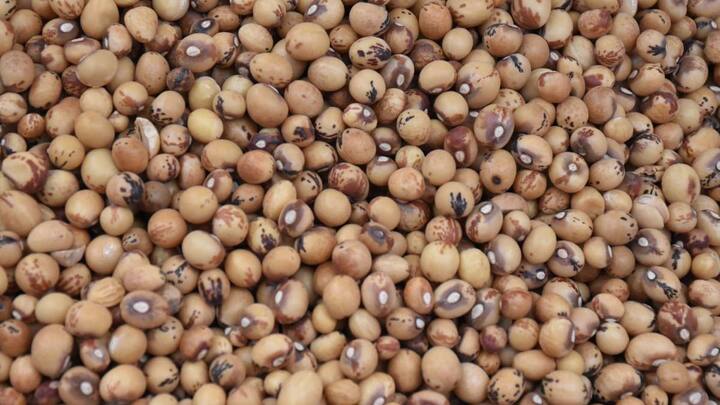
The first and easiest thing is things made from soy, like soybean, tofu and soy milk. Despite being vegetarian, they provide all 9 essential amino acids to the body, hence they are called “complete proteins”. Apart from this, quinoa is also a great option, which looks like rice, but it contains all the essential amino acids. Eating it instead of rice changes the taste of the food and also increases the nutrition. Dairy products like cheese, curd and milk are also rich in amino acids and can be easily included in the daily diet.
If you do not like things like soya or quinoa, then this deficiency can be filled by mixing the things present in the kitchen in the right way. For example, the combination of pulses and rice is a great example. One type of amino acid is less in pulses, whereas the same amino acid is found in more quantity in rice.
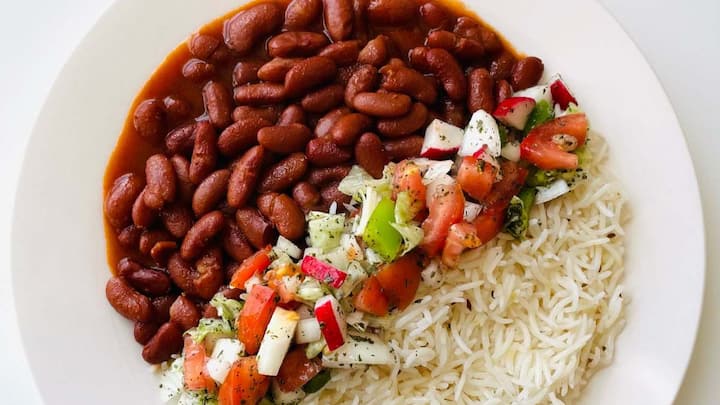
By eating both together, this deficiency is compensated and the body gets full benefits. Similarly, the combination of kidney beans and roti is also considered a good combination that provides all the essential amino acids. The pairing of gram and rice also works in the same way. This is the reason why things like dal-rice and rajma-roti have been eaten in Indian food for centuries, which give full strength to the body even without eating non-veg.
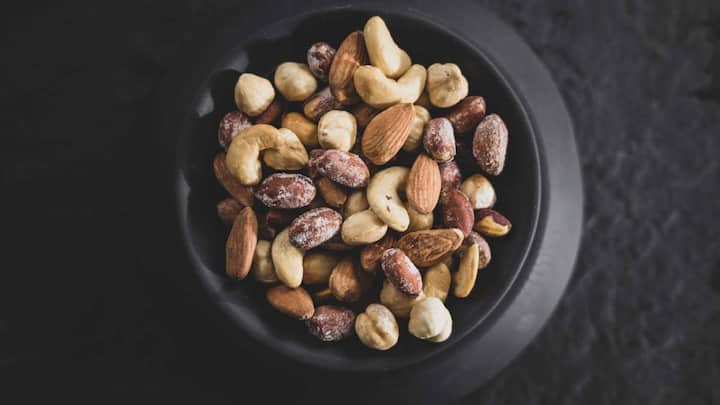
Nuts and seeds also help in removing the deficiency of amino acids. Eating things like almonds, walnuts, chia seeds, flax seeds and peanuts in small quantities every day provides good protein to the body. Apart from this, green vegetables like spinach, broccoli and mushrooms also provide small amount of protein and add nutrition to the food. Sprouts i.e. sprouted moong and gram are also a light but effective way, which can be included in breakfast.
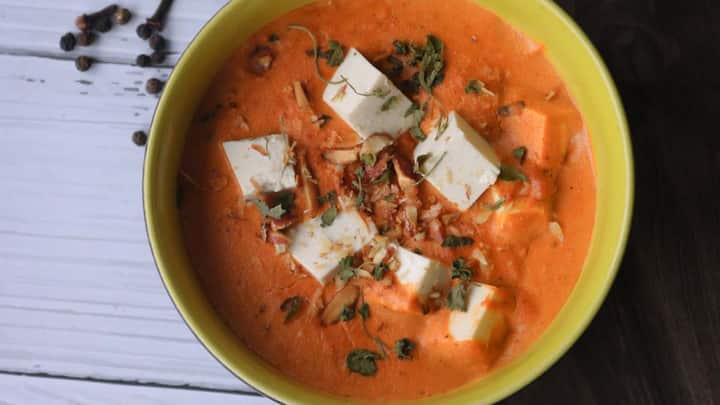
If you are a vegetarian and want to avoid amino acid deficiency, it is not necessary to eat all the things at the same time. By including pulses, cheese, soya, nuts and vegetables at different times throughout the day, the body gradually gets all the essential amino acids. A normal person should take about 0.8 to 1 gram of protein per kilogram of his weight daily, whereas people who do exercise or gym may need a little more protein than this.
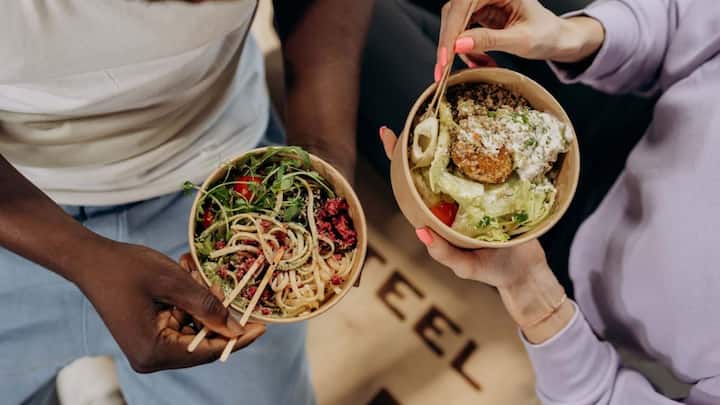
Overall, it can be said that people who do not eat non-veg do not need to worry about the deficiency of amino acids. By including easy and cheap things like soya, paneer, dal-rice, rajma-roti, nuts and sprouts in your diet, all the essential amino acids can be provided to the body. It is just important to keep in mind that there should be variety in the food and different types of vegetarian items should be included, so that the body gets complete nutrition.
Published at : 06 Jul 2026 04:40 AM (IST)
food photo gallery