Explained: What Double Contributions Convention means for social security benefits of Indians working in UK

The DCC determines where social-security contributions are paid. (Image for representative purpose only) Employees movement from one country to another for work usually brings questions around the minimum salary, immigration and taxes. Such moves can also trigger less obvious social security obligations in both countries, potentially increasing the cost of an international assignment. This was…


Read More

Women are earning, saving and borrowing, but who controls their money? India’s financial literacy divide

Women need to take charge of their financial decisions while society to move on from patriarchal mindset “He died at 40. She couldn’t even access his digital life.”A wealth adviser recounted the story of a client who did not know her husband’s banking passwords and was “forced into an exhausting battle, navigating government offices, collecting…

Read More

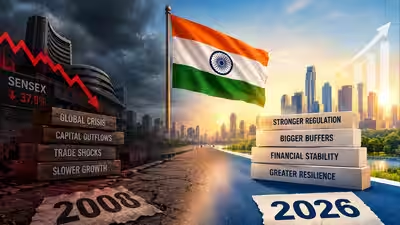
18 years after the 2008 financial meltdown: How a crisis born in US reshaped India

The crisis changed India in many ways. September 19, 2008: A world wrapped in uncertaintyThe global financial crisis erupted from the US housing market, where easy credit, rising home prices and risky mortgages had fuelled a massive boom. As borrowers defaulted and mortgage-linked assets collapsed, losses spread across banks and financial institutions.Lehman Brothers’ collapse on…

Read More

MDR on person-to-merchant UPI payments above Rs 2,000: Who pays and what changes for you? FAQs answered

MDR applicability is determined by overall merchant account categorisation. A Merchant Discount Rate (MDR) of 0.4% will be applicable on person-to-merchant UPI transactions above Rs 2,000 from October 15, 2026, as per the latest notification from NPCI. It is important to note that person-to-person transactions will continue to be free with no MDR applicable.Merchant Discount…

Read More

Received income tax notice under Section 143 (3) ? What is faceless assessment & how you should respond

Assessments under Section 144B of the Act are often described as both “faceless” and “jurisdiction-less”. India’s faceless assessment regime is an important part of a broader strategy to move away from manual, officer-led discretion-based scrutiny to a technology-led standardised and transparent tax administration. It significantly reduces the need for in-person meetings, improves accountability, and ensures…

Read More