
Disadvantages Of Unnecessary Medical Tests: Getting blood tests done frequently has become a habit for many people these days. If you feel a little tired then get Vitamin B12 tested, if you have gained weight then get thyroid tested, and if you want to focus on fitness then get a health package with dozens of tests. But is it really necessary to get a blood test done every time? Experts say that excessive testing can sometimes cause more harm than good.
It often happens that a value in a report falls slightly above or below the normal range. People get scared after seeing this, whereas every minor change is not a sign of any serious disease. After this, a situation of new tests one after the other, visits to the doctor and unnecessary treatment may arise. Therefore, getting tested again and again just because it is easily available is not considered the right method.
Dr Santosh Kumar Agarwal, director of the internal medicine department, Yatharth Super Specialty Hospital, Sector-88, Faridabad, told TOI that blood tests should always be conducted keeping in mind the person’s symptoms, medical history and risk factors. It is better to avoid getting tested repeatedly without any obvious reason.
Which tests do people repeat excessively?
Dr. Aggarwal explains that people often repeat tests like Vitamin D, Vitamin B12, Thyroid Function Test, HbA1c, Cholesterol and Complete Blood Count unnecessarily. If a person has no pre-existing conditions, there has been no change in treatment, and no new symptoms have emerged, then repeating these tests usually does not provide any additional benefit. The decision as to when to get tested should be based on the doctor’s advice and the health condition of the person.
What are the disadvantages of excessive blood tests?
Repeated blood tests not only cause the discomfort of needle prick, but can also have other disadvantages. Many people become victims of mental stress after seeing minor fluctuations in the reports. Sometimes the reports may yield false positives, which may lead to additional tests, unnecessary expenses and treatments that may not actually be needed. Apart from this, the process of repeatedly drawing blood from a vein can also cause problems like swelling, bruising or irritation in the veins. In some cases, especially in women, frequent blood draws may increase the risk of anemia. Therefore, experts recommend that a blood test be done only when there is a clear medical reason behind it.
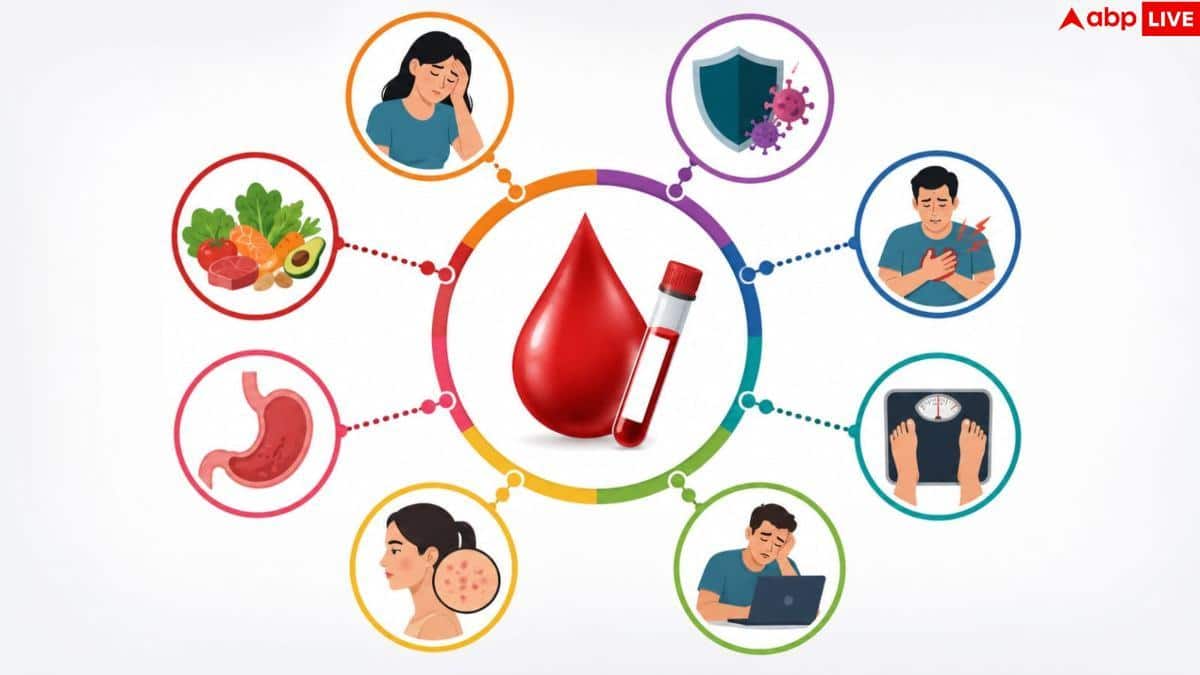
How often should a healthy person get a blood test?
According to Dr. Aggarwal, if an adult is completely healthy and does not have any symptoms, then usually getting a regular blood test done once every one to three years may be sufficient. However, its duration depends on the person’s age, family health history and other risk factors. Routine testing usually includes complete blood count, blood sugar, lipid profile, kidney function tests, and if necessary, liver and thyroid function tests. Along with this, regular assessment of blood pressure, weight and lifestyle is also equally important.
Read this also – Period pain can be as severe as a heart attack
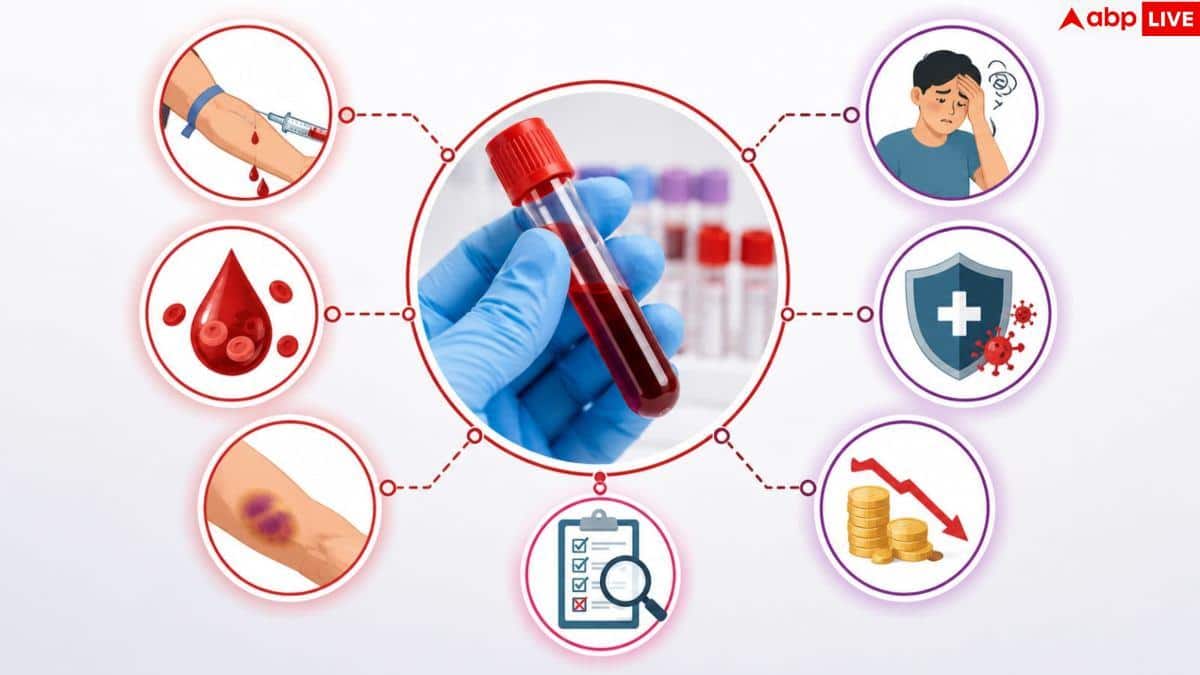
Experts believe that good health does not mean getting as many tests done as possible, but getting the right tests done at the right time. If any new symptoms appear, if there is any pre-existing disease or if the doctor advises any test, then it is best to get a blood test done. Instead of getting tested again and again without any reason, adopting a balanced lifestyle, getting regular health checkups done and following doctor’s advice is a better way to stay healthy in the long run.
Read this also – Mustard Oil vs Olive Oil Benefits: Mustard or Olive…Which oil is best for heart patients?
Disclaimer: This information is based on research studies and expert opinion. Do not consider this as a substitute for medical advice. Before adopting any new activity or exercise, please consult your doctor or relevant specialist.
Check out below Health Tools-
Calculate Your Body Mass Index (BMI)
Calculate The Age Through Age Calculator