These 7 vegetables rot first in the rain, be careful while buying

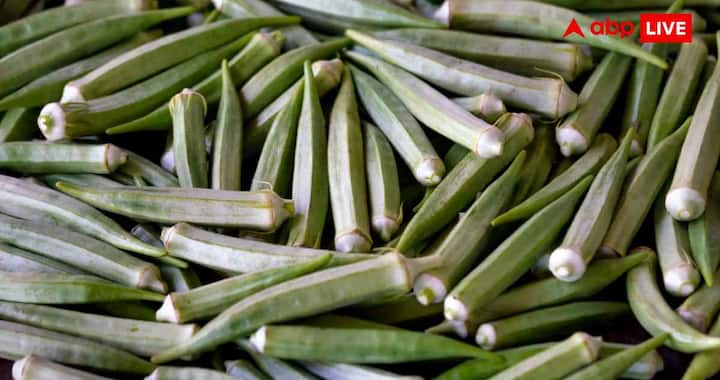
Before buying ladyfinger, try breaking its tip slightly. If it breaks easily, then understand that the ladyfinger is fresh. Fresh ladyfinger is green in color and is also crispy. If the end does not break easily and just bends, then such bhindi may be stale and should be avoided.
Before buying ladyfinger, try breaking its tip slightly. If it breaks easily, then understand that the ladyfinger is fresh. Fresh ladyfinger is green in color and is also crispy. If the end does not break easily and just bends, then such bhindi may be stale and should be avoided.

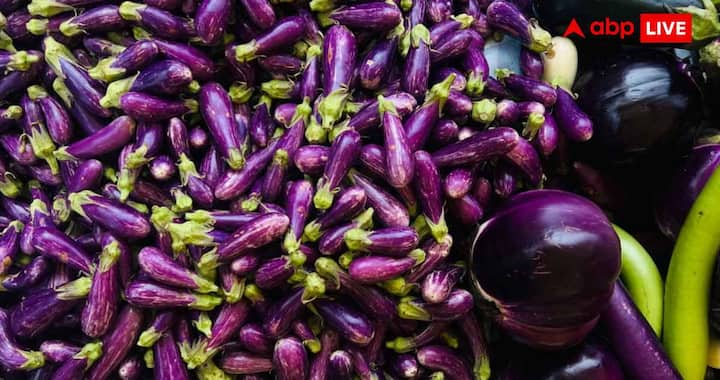
The possibility of insects inside brinjal increases during the rainy season. Therefore, while buying, check carefully whether there are any holes or cracks on the brinjal. If this appears, do not buy that brinjal. There may be more insects inside it.
The possibility of insects inside brinjal increases during the rainy season. Therefore, while buying, check carefully whether there are any holes or cracks on the brinjal. If this appears, do not buy that brinjal. There may be more insects inside it.

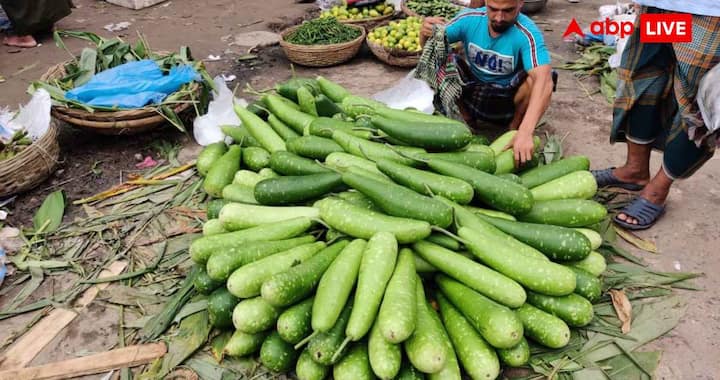
While buying bottle gourd, pay attention to its weight. The seeds of very heavy bottle gourd are often ripe, which makes it less tasty. Light gourd is considered fresh. Its seeds are also soft and taste better when eaten.
While buying bottle gourd, pay attention to its weight. The seeds of very heavy bottle gourd are often ripe, which makes it less tasty. Light gourd is considered fresh. Its seeds are also soft and taste better when eaten.

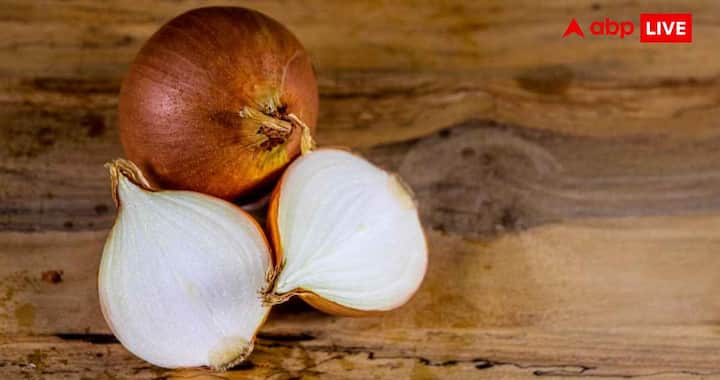
If the stalk of the onion goes in easily when pressed or feels soft, then such onion may be spoiled from inside and rotting has started in it. Because onion is often purchased in large quantities, be sure to check it while purchasing.
If the stalk of the onion goes in easily when pressed or feels soft, then such onion may be spoiled from inside and rotting has started in it. Because onion is often purchased in large quantities, be sure to check it while purchasing.

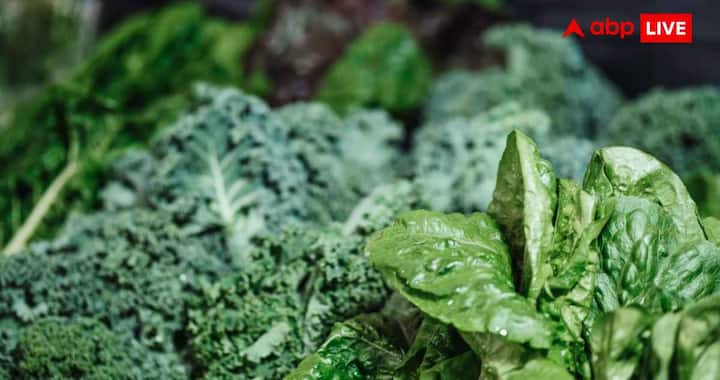
During the rainy season, leafy vegetables like spinach, fenugreek and kale have more moisture. For this reason, bacteria and germs can grow rapidly in them. It is also not easy to clean them. If you want to eat them, use them only after washing them thoroughly and boiling them in hot water for some time.
During the rainy season, leafy vegetables like spinach, fenugreek and kale have more moisture. For this reason, bacteria and germs can grow rapidly in them. It is also not easy to clean them. If you want to eat them, use them only after washing them thoroughly and boiling them in hot water for some time.

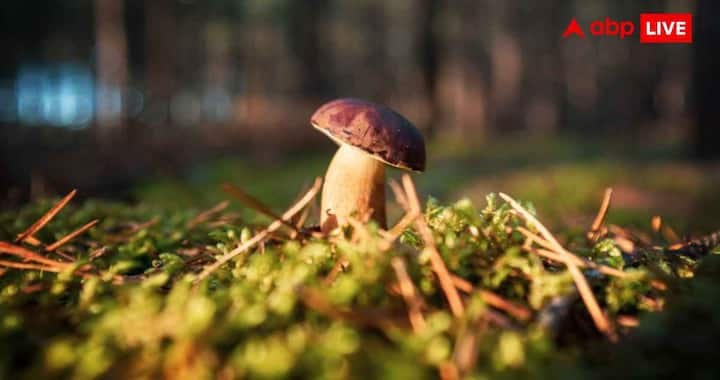
Mushrooms grow in moist environments. The risk of fungal infection increases during monsoon. Some types of mushrooms can also be poisonous, so special care should be taken while buying and eating mushrooms in this season.
Mushrooms grow in moist environments. The risk of fungal infection increases during monsoon. Some types of mushrooms can also be poisonous, so special care should be taken while buying and eating mushrooms in this season.

Due to increased moisture during the rainy season, fungus, bacteria and insects can quickly grow in vegetables. If spoiled or infected vegetables are consumed, the risk of digestive problems and infection may increase. Therefore, always choose fresh vegetables during monsoon and clean and cook them thoroughly before using.

Due to increased moisture during the rainy season, fungus, bacteria and insects can quickly grow in vegetables. If spoiled or infected vegetables are consumed, the risk of digestive problems and infection may increase. Therefore, always choose fresh vegetables during monsoon and clean and cook them thoroughly before using.

Published at : 03 Jul 2026 08:39 AM (IST)

Home Tips Photo Gallery

Source link

Leave a Reply

Your email address will not be published. Required fields are marked *