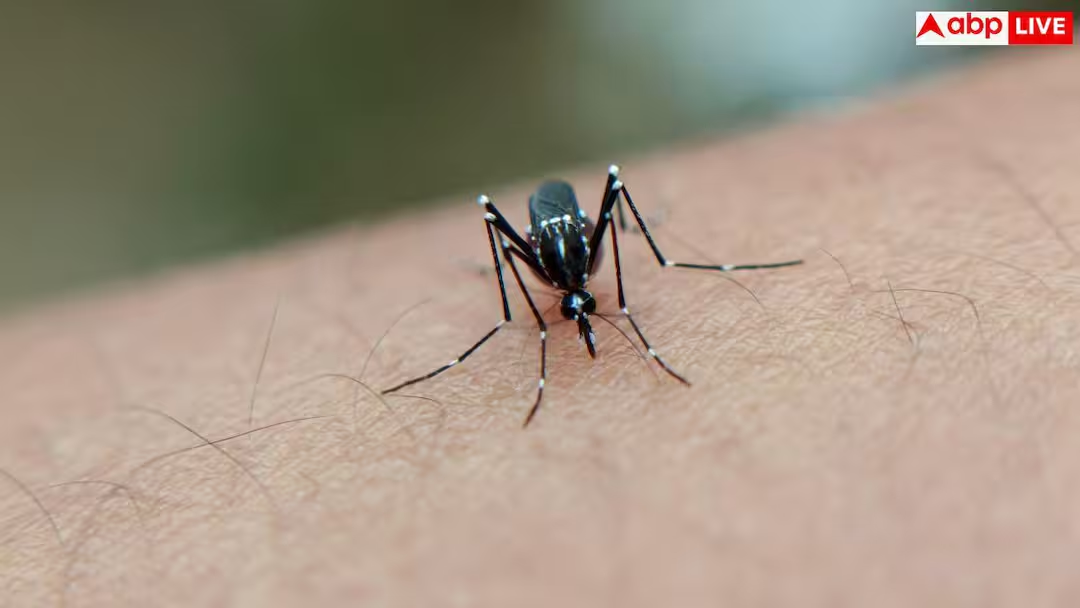
Japanese Encephalitis Treatment And Diagnosis: With the arrival of monsoon, the weather becomes pleasant, but with it the danger of mosquitoes also increases rapidly. Most people know about dengue and malaria among mosquito-borne diseases, but very few people are aware that some mosquitoes also spread viruses that can directly affect the brain. One such serious disease is Japanese encephalitis. This disease may not be as common as dengue, but in severe cases it can prove fatal and can also give neurological problems to the patient for life.
This disease is caused by Japanese encephalitis virus, which is a member of the flavivirus family. Dengue and West Nile virus also belong to the same family. This virus is spread by the bite of infected Culex mosquitoes. These mosquitoes usually breed in paddy fields, ponds, marshy areas and water accumulated after rain. Unlike mosquitoes that spread dengue, Culex mosquitoes are more active from dusk to dawn.
Read this also: Children fall ill quickly during monsoon season, how should we take care of their health?
How does encephalitis occur?
According to Dr. Ishank Goyal, neurology specialist at Fortis Hospital Mohali, the virus first enters the blood and then crosses the blood-brain barrier and reaches the brain. After this, there is swelling in the brain, which is called encephalitis in medical language.
How many cases are reported every year?
According to the World Health Organization, every year about 68 thousand cases of Japanese encephalitis are reported in the world. South-East Asia and the Western Pacific region are most affected. In India too, its cases are registered every year and children are considered to be most at risk. According to experts, the risk of infection is higher in children below 15 years of age, people living in rural areas, farmers working in paddy fields and unvaccinated travelers.
What are its initial symptoms?
The beginning of this disease may seem like a normal viral infection. Initially symptoms like fever, headache, vomiting, fatigue and weakness appear. But if the virus reaches the brain, the patient may develop serious symptoms like high fever, confusion, fainting, seizures, stiff neck, difficulty walking and losing consciousness. In such a situation, it is necessary to reach the hospital immediately. Doctors say that this disease is not always detected by CT scan alone. If necessary, this is confirmed through MRI and examination of blood or cerebrospinal fluid.
Is there any treatment for this?
There is no specific treatment available for Japanese encephalitis. During treatment, efforts are made to keep the patient’s condition stable and control the problems. Therefore prevention is considered the most effective solution.
Also read: Monsoon Health Care Tips: Children fall ill quickly during monsoon season, how to take care of their health like this?
Disclaimer: This information is based on research studies and expert opinion. Do not consider this as a substitute for medical advice. Before adopting any new activity or exercise, please consult your doctor or relevant specialist.
Check out below Health Tools-
Calculate Your Body Mass Index (BMI)
Calculate The Age Through Age Calculator