Today, 21st June is International Yoga Day. From common people to Bollywood celebs, everyone is celebrating this special day through yoga. Stars have shared their pictures and videos while doing yoga on social media. To promote fitness and health, celebs are also giving the message to their fans to adopt yoga.
Akshay Kumar
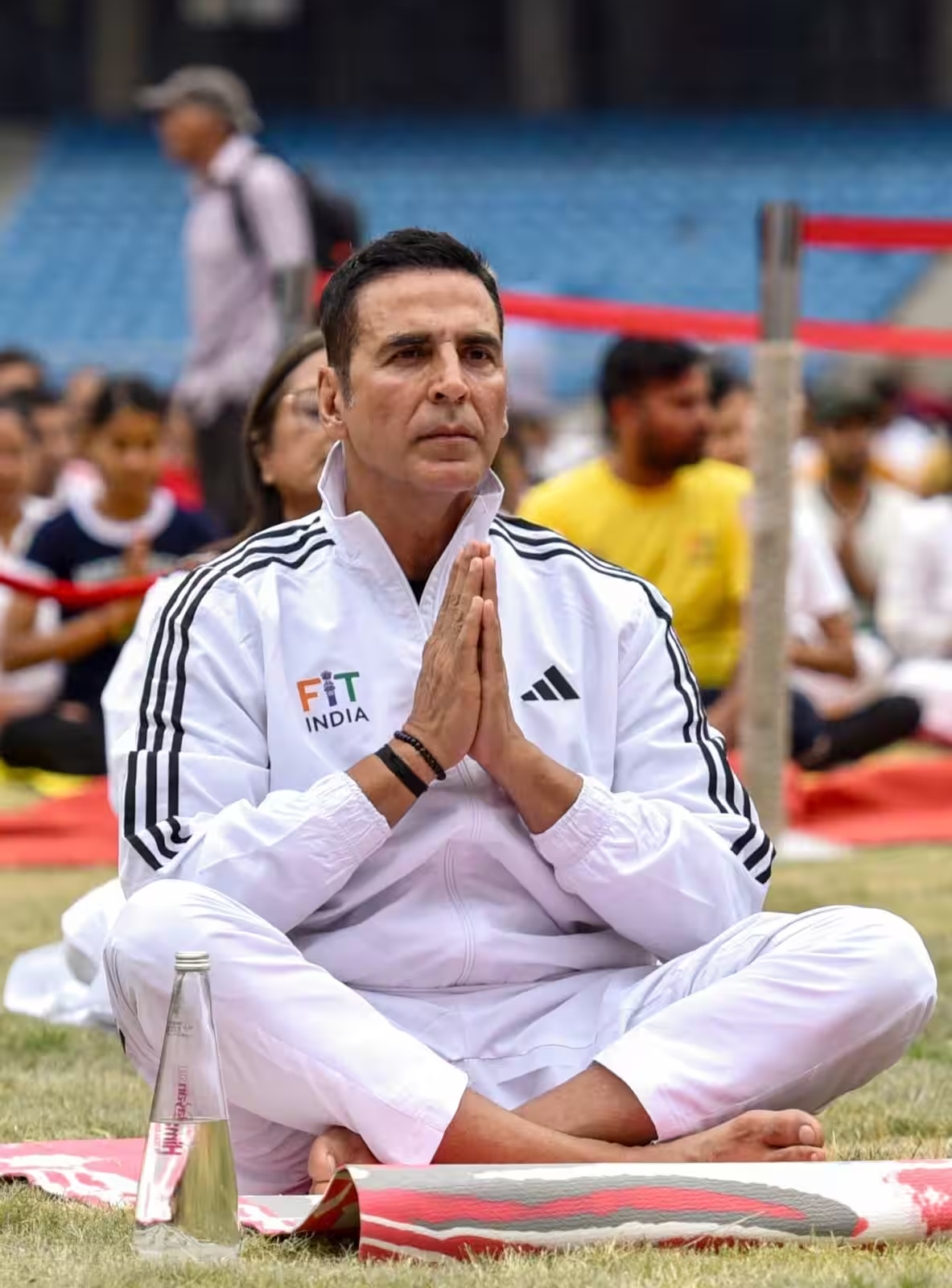
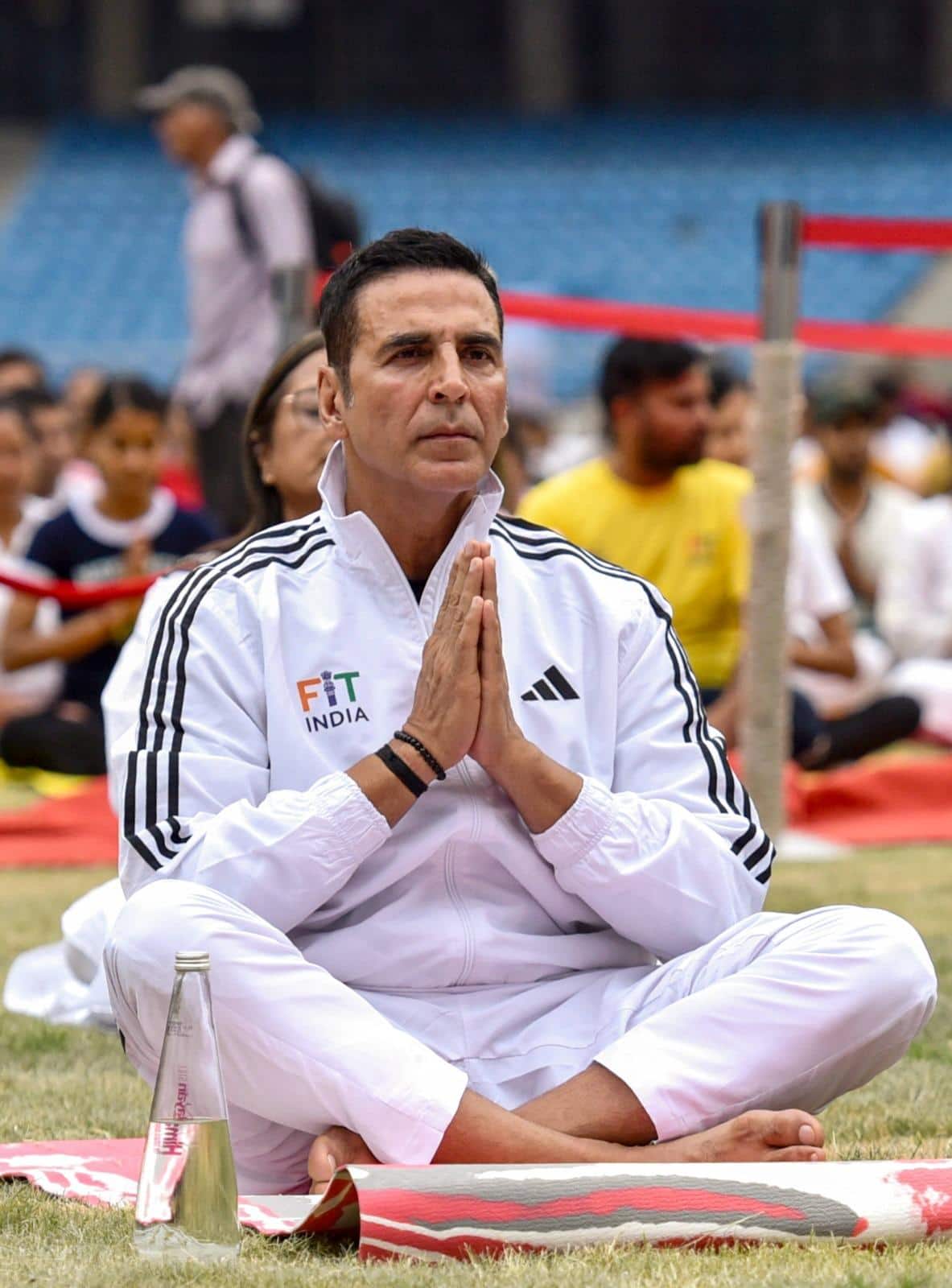
Akshay Kumar has shared a post on social media on International Yoga Day, in which he is seen doing yoga. He also wrote in the caption, ‘Stability, balance, strength.’
Urmila Matondkar
Urmila Matondkar has also shared a video of herself doing yoga on Instagram. In this video, she is seen making people aware about yoga. He told that after his mother’s scolding, he started doing yoga, after which it became an important part of his lifestyle.
He wrote in the caption, ‘Happy International Yoga Day. Yoga is not only for losing weight, but it has many other benefits also. This is perhaps the only exercise in which it is necessary to have complete balance between your mind and body. If you have not started yet, start it today itself.
Also read: Salman Khan’s on-screen mother Reema Lagoo’s career started from TV, she left her bank job for acting.
Anupam Kher
Anupam Kher has shared a video on his Instagram, in which he is seen explaining the benefits of doing yoga. He wrote, ‘Warm wishes to all of you on International Yoga Day. Yoga not only makes the body healthy, it also calms the mind and clears thoughts. Take out a few minutes every day for yoga, take deep breaths, smile and try to live life with balance.
Shilpa Shetty
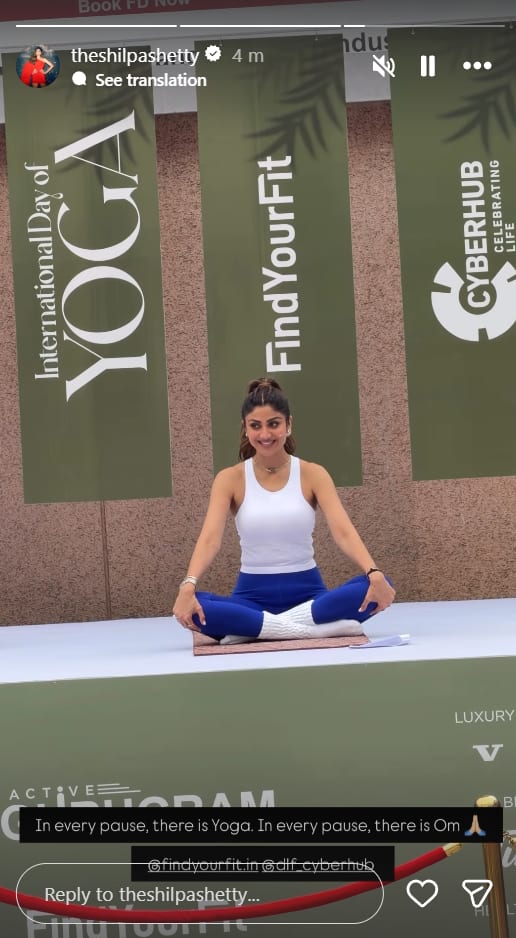
Shilpa Shetty has shared a video of herself on Instagram story with which she has written, ‘There is yoga in every pause, there is Om in every pause.’
Also read: When Akshay Kumar created a stir at the box office with a new actress, the film earned 348 percent profit.
Malaika Arora
Malaika Arora has shared her photos while doing yoga on social media. He wrote, ‘Yoga has been a part of my life for many years. This is not just a workout, but a way to connect with yourself, calm your mind and find balance in life. Yoga teaches me something new every day, and for this I am extremely grateful. Happy International Yoga Day to all of you.
Bhagyashree
Bhagyashree has also shared her video on social media while doing yoga on Yoga Day. He wrote in the caption, ‘Aging cannot be denied, but staying active and strong is something we can work on every day. Do try this challenge.