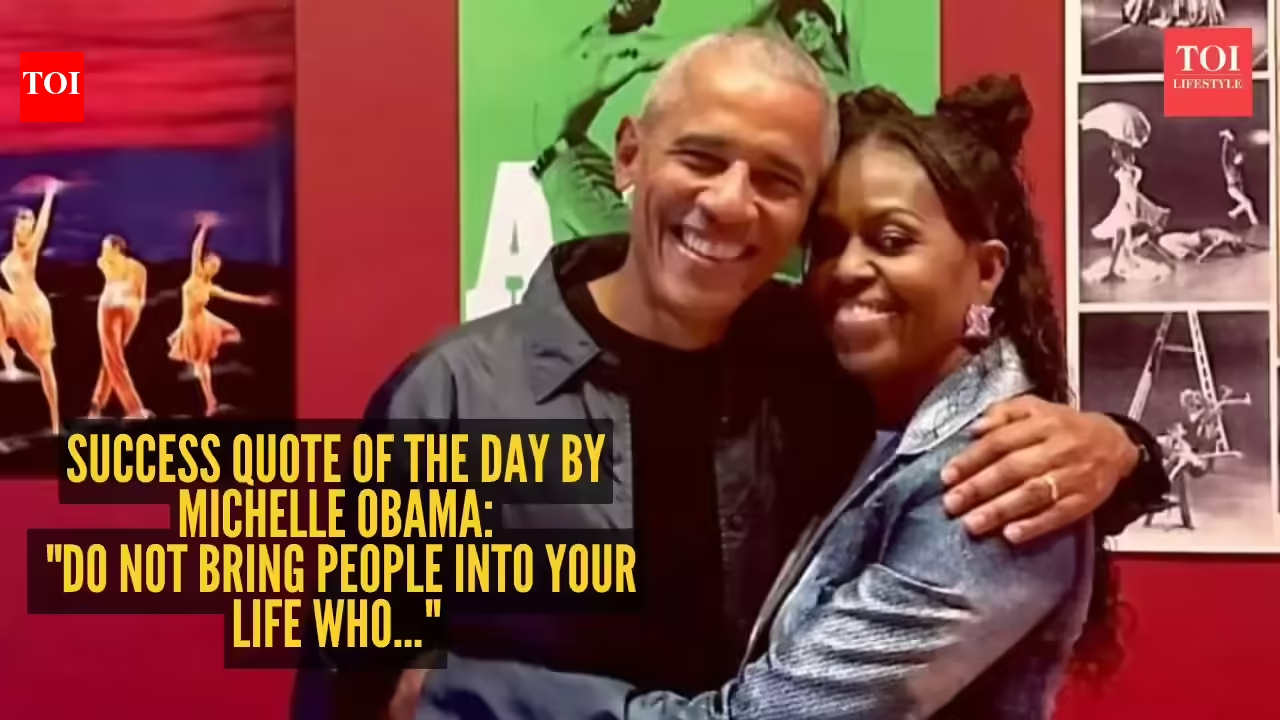
इसका मतलब है अपनी जरूरतों के प्रति ईमानदार रहना। इसका मतलब है बिना अपराधबोध के सीमाएँ तय करना। इसका मतलब है ऐसे लोगों को चुनना जो आपका सम्मान करते हैं, आपका समर्थन करते हैं और आपके विकास का जश्न मनाते हैं। कहने का मतलब है, “मैं किसी ऐसे व्यक्ति के साथ नहीं रहना चाहता जो मुझे छोटा महसूस कराए।” और इसका मतलब यह विश्वास करना है कि आप ऐसे रिश्तों के लायक हैं जो अच्छा लगें।
मिशेल ओबामा का उद्धरण अलगाव के बारे में नहीं है। यह इरादे के बारे में है. यह एक ऐसे जीवन के निर्माण के बारे में है जहां आप ऐसे लोगों से घिरे हों जो आपका उत्थान करते हैं, न कि आपको बर्बाद कर देते हैं। यह आनंद, विश्वास और शांति के लिए जगह बनाने के बारे में है। और यह जानने के बारे में है कि आपके पास यह चुनने की शक्ति है कि आपके जीवन में कौन आएगा।
जब आप इस सलाह का पालन करते हैं, तो आप कुछ नोटिस करना शुरू करते हैं: अच्छे रिश्ते सिर्फ अच्छे नहीं लगते बल्कि वे आपको बेहतर बनाते हैं। वे आपको बढ़ने में मदद करते हैं। वे तुम्हें ताकत देते हैं. वे आपको याद दिलाते हैं कि आप उस प्यार के लायक हैं जो आपकी शांति की कीमत नहीं चुकाता। और यही वह प्यार है जो चुनने लायक है।
तो अगली बार जब आप सोच रहे हों कि क्या किसी को आपके जीवन में होना चाहिए, तो अपने आप से पूछें: क्या वे मुझ पर दबाव डालते हैं? या क्या वे मुझे ऊपर उठाते हैं? जब मैं उनके साथ होता हूं तो क्या मुझे अच्छा महसूस होता है? या क्या मैं थका हुआ महसूस करता हूँ? अपने अंतर्ज्ञान पर भरोसा रखें. वे आपको पहले से ही उत्तर बता रहे हैं। और याद रखें: अच्छे रिश्ते अच्छे लगते हैं। उन्हें सही लगता है. और आप उस तरह के प्यार के पात्र हैं।