The most popular route of IPL is trade. Through this rule, Sanju Samson went from Rajasthan Royals to CSK. The rule is that the trading window opens one month after the end of each season and closes one week before the next auction. After the auction, a window opens again and continues till one month before the next season.
in this window three types Deals can be made for money only i.e. cash deal, player for player, or a combination of both. But here three conditions must be fulfilled simultaneously. First, the consent of Rajasthan Royals. Second, Vaibhav’s own consent. Third, BCCI’s approval. According to ESPNcricinfo and official IPL rules, the team buying in any trade first sends a letter to BCCI. The selling team then has 48 hours to respond. If Rajasthan refuses, game over.
Another interesting thing in trade is transfer fees.. Mumbai Indians had taken back Hardik Pandya from Gujarat Titans, in which a huge amount was given to Gujarat as transfer fee. This amount does not impact the team’s auction budget, and there is no upper limit. That is, if Mumbai Indians wants Vaibhav, then it can give transfer fee worth crores to Rajasthan, but without the “yes” of Rajasthan, all this is useless.
Clear point: Vaibhav will leave from trade only if Rajasthan itself wants to let him go.
Way 2: Mega auction, the moment when Rajasthan’s strength diminishes
This is the biggest and most effective way. Every few years there is a ‘Mega Auction’ in the IPL, where all the teams rebuild their entire squads almost from scratch. IPL 2025 was also a similar mega auction, in which Vaibhav was bought by Rajasthan Royals for Rs 1.1 crore. According to the official rules of the IPL Governing Council, before the mega auction, each team can retain a maximum of 6 players, out of which a maximum of 5 are ‘capped’ who have played international cricket and a maximum of 2 are ‘uncapped’ players.
Here’s an interesting twist for Vaibhav. If Vaibhav has played international cricket for India by the next mega auction, he will become a “capped” player. At that time Rajasthan will also have names like Yashasvi Jaiswal, Riyan Parag, Dhruv Jurel, Joffra Archer. If Rajasthan has only 6 slots and 7-8 big names, then one will be out. But will Rajasthan oust Vaibhav? Look at it practically, that 17-18 year old Vishvam, who by then would probably have become India’s regular T20 opener? Don’t let it go out. But, if Suryavanshi is not retained, he will have to come into the auction pool. And then any team can bid.
Clear point: Mega auction is the only way where Vaibhav can go to any other team without the consent of Rajasthan, due to rules.
Way 3: RTM Card, Rajasthan Bet
Suppose for some reason Vaibhav was not retained in the mega auction and he came into the auction pool. Now CSK made a bid of Rs 25 crore on him. Will Rajasthan sit empty handed? No. Here RTM, i.e. “Right to Match” card comes in handy. This rule has come back from the IPL 2025 mega auction. Under this, if Rajasthan has RTM card left, then they can match CSK’s bid of Rs 25 crore and take back Vaibhav. But there is also a new complication. When Rajasthan asks to use RTM, CSK has another chance, they can increase their bid further. And then Rajasthan will have to decide whether to match that increased bid or not. That means RTM is like an insurance policy, but this insurance will be useful only if Rajasthan has reserved the RTM slot first and has not retained Vaibhav.
Clear point: RTM is the shield of Rajasthan. Due to this, no other team can easily take Vaibhav in the auction.
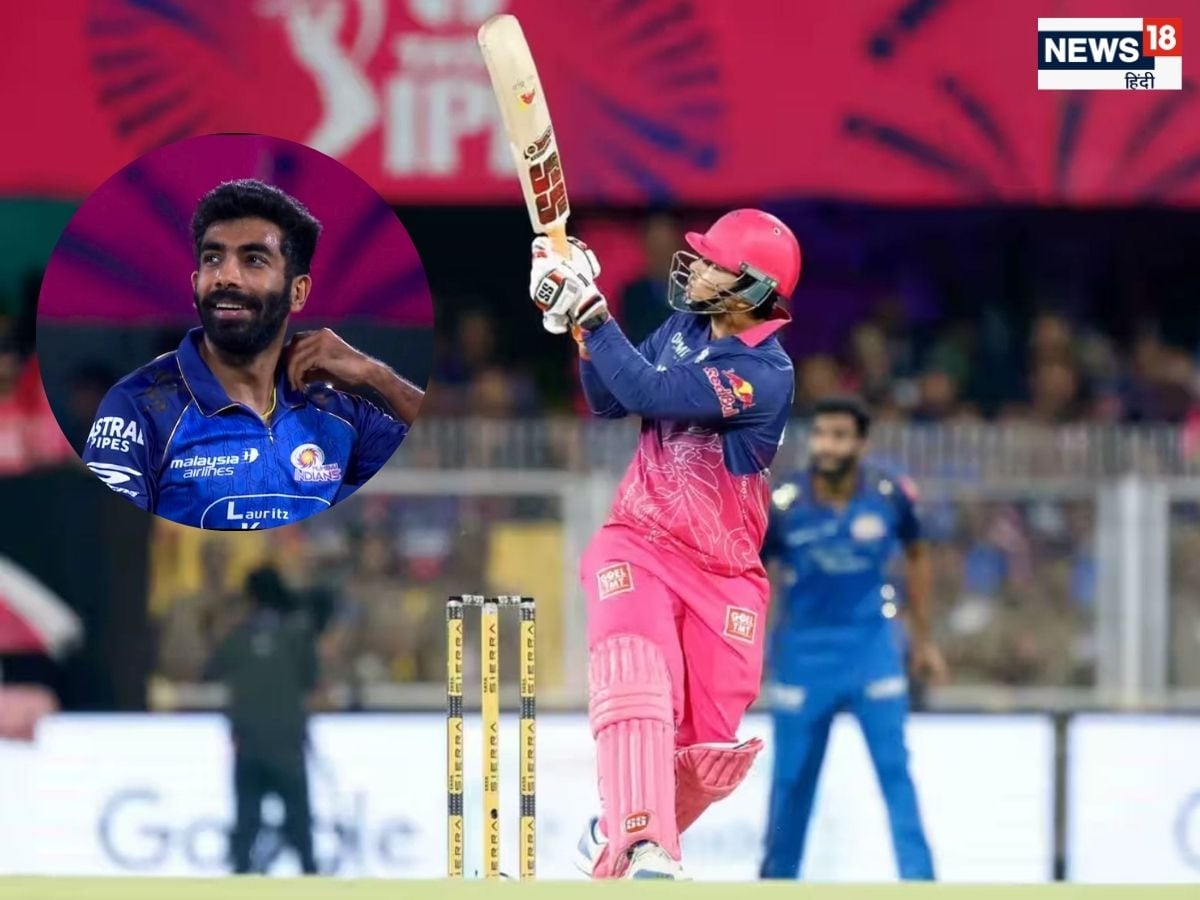
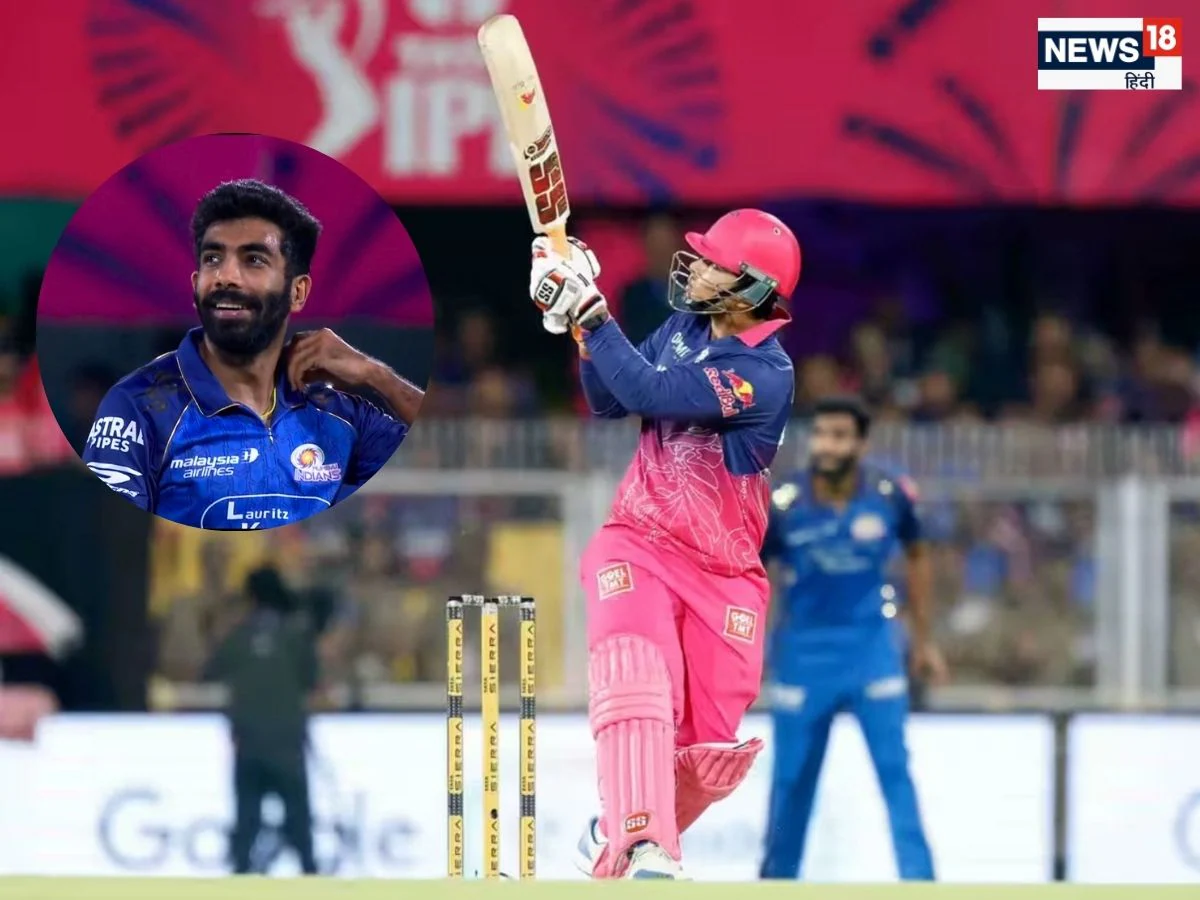
Vaibhav Suryavanshi hit two sixes on Jasprit Bumrah in one over.
Option 4: What if the player himself wants it?
This is the most interesting question. What if Vaibhav himself says, “I want to leave Rajasthan”? The rules say that a player can request a release from his team. But the final decision rests with the team. Since the contract is with the team, if Rajasthan does not agree then Vaibhav cannot go. Yes, in the Hardik Pandya case, one way out was that the player “expressed his desire to go back to his old team”, and Gujarat Titans traded him to Mumbai. But this was the wish of Gujarat Titans and not the result of any compulsion. In Vaibhav’s case, if he tells Rajasthan that he wants to play somewhere else, Rajasthan may or may not trade him. It is completely in the hands of Rajasthan.
Clear point: The player can make requests, but cannot take decisions himself.
No matter how much money someone gives, still?
People often wonder, can rich teams like Mumbai Indians or CSK buy Vaibhav by directly offering Rs 100 crore to Rajasthan?
The answer is, yes and no. There is no upper limit on transfer fees, which means any team can give as much money as they want to Rajasthan. But this amount cannot buy Rajasthan’s ‘Yes’, because Rajasthan has every right to decide whether they want to let any player go or not. And here’s one more thing, Vaibhav will get only his contract amount, not the money that any team has spent to buy him.
Clear point: Rajasthan can be persuaded with money, not forced.
So in the end, will Vaibhav always stay with Rajasthan Royals?
If we look at all the rules together, the picture becomes this. Unless Rajasthan Royals want, no trade is possible. As long as he has the RTM card in the mega auction, no other team can get him in the auction either. And unless Vaibhav himself wants to, no deal can go ahead. The entire structure of IPL is made in such a way that a player cannot be taken anywhere without the consent of three parties, the player, the selling team, and the BCCI. If even one of these is ‘no’ then the matter stops
The day Rajasthan Royals bought Vaibhav for Rs 1.1 crore, perhaps they had no idea that they were simultaneously making the cheapest and most expensive purchase in the history of cricket. Cheap because for Rs 1.1 crore, and expensive because for the next 10-15 years some other team will be yearning to get him. And the rules say that it will continue to suffer until Rajasthan agrees.