These days, many shocking news of food poisoning have come to light from across the country. Recently, the mysterious death of four people of the same family in Mumbai, the death of a child due to eating Golgappa in Jharkhand and hundreds of people falling ill at a wedding feast in Uttar Pradesh. All these incidents have once again raised serious questions about the safety of our food. Let us understand in the explainer why these incidents happen, which foods can prove to be the most dangerous and how you can protect yourself.
Question 1: What is the case of death of family after eating biryani and watermelon in Mumbai?
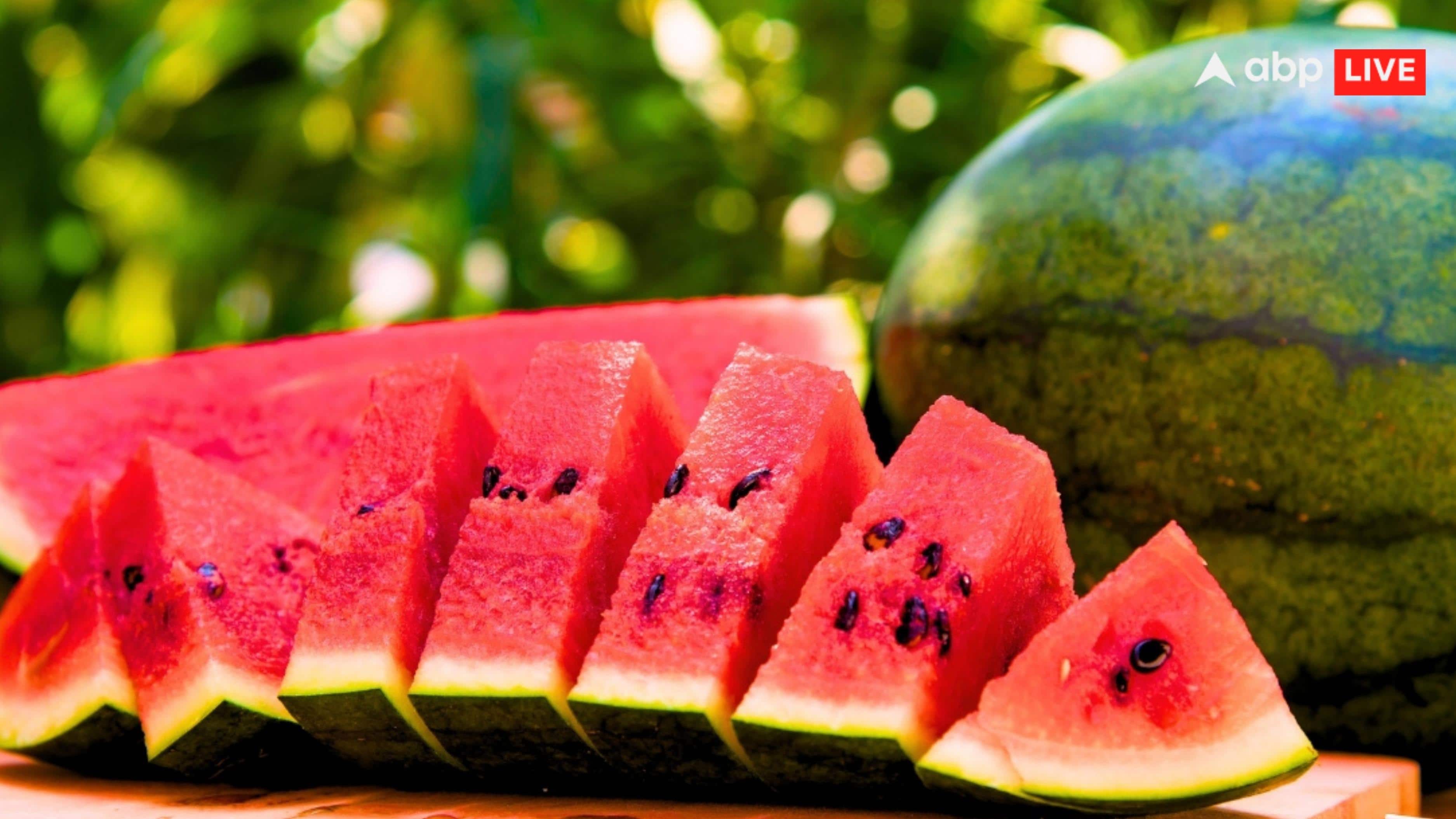
answer: This very sad and currently mysterious case is from Paydhuni area of Mumbai. On the night of 25 April 2026, Abdullah Dokadia (40), wife Nasreen (35), two daughters Ayesha (16) and Zainab (13) ate biryani along with other family members. Nothing happened to the other five relatives who ate the food. After this, around 1-1:30 in the night, when the girls felt hungry, the family cut a watermelon and ate it. This watermelon was not eaten by the other guests. At around 5 in the morning, all four started vomiting and diarrhea and within a few hours their condition became very serious. All four died during treatment in the hospital on Sunday (April 26).
Question 2: So can eating watermelon at night directly cause death?
answer: At present a direct answer cannot be given to this. Police and forensic investigation is still going on and the actual cause of death will be known only after the postmortem and food sample test report comes in 15 days. According to the information till now:
- The biggest suspicion is on food poisoning.
- The police has sent the half-eaten watermelon for investigation.
- The state Food and Drug Administration (FDA) is investigating whether there was any poisonous substance or adulteration in the watermelon.
- The microbiology lab of JJ Hospital is investigating bacteria or any other infection.
According to doctors and experts, watermelon itself is not poisonous, but it can be contaminated. If dirty water or surface has been used while growing or harvesting watermelon, or it has been adulterated with any toxic chemical, it can be seriously harmful. This is not the first case where death has occurred due to eating watermelon, but in such cases contaminated water or chemical injection (for sweetness) is usually the cause. The investigation report is awaited.
Question 3: Have there been other similar incidents of food poisoning recently?
answer: Yes, serious incidents of food poisoning have been reported from different parts of the country:
- Jharkhand: In Giridih district, a 7-year-old child died after eating Golgappa (Pani Puri) and 19 people fell ill and were admitted to the hospital. In the initial investigation, the main suspicion is on the contaminated water of Golgappa.
- Uttar Pradesh: More than 100 people, including 15 children, became victims of food poisoning after eating bottle gourd barfi during a wedding ceremony in Sambhal district. The Food Safety Department has sent the sample of bottle gourd barfi for testing.
These incidents show that food poisoning is not just a mild disease, but it can also prove fatal. There can be danger anywhere from street food to food at big events.
Question 4: How does food poisoning lead to death?
answer: People often ignore food poisoning considering it to be normal indigestion or stomach upset, but it becomes fatal when the situation becomes serious. According to the report of NHS.UK, death can occur due to 5 major reasons:
- Severe dehydration: This is the most common and biggest danger. Excessive vomiting and diarrhea causes severe deficiency of water and essential minerals in the body. This deficiency can cause thickening of the blood, falling blood pressure, kidney failure and shock, which can be fatal.
- Certain toxins and infections: Some bacteria like Salmonella and E. coli not only spread infection but also release toxic substances in the body that can directly affect the nervous system or organs. An example of this is a rare but extremely dangerous disease called botulism, which can attack the nervous system and cause paralysis and difficulty breathing.
- Chemical Contamination: If food has been contaminated with a toxic chemical, pesticide or adulterant, the consequences can be very serious and rapidly fatal.
- Septicemia (poisoning in blood): If bacteria from the intestines reach the blood, the infection can spread throughout the body, which is called septic shock. This condition can prevent several organs from working together. As a result, death may also occur.
- Age and weak immunity: Children younger than 5 years, elderly people above 65 years of age, pregnant women and people already suffering from any disease are at the highest risk.
Question 5: Which foods cause most food poisoning?
answer: According to a Medscape report, any food can cause food poisoning if not prepared or stored properly, but some foods are considered ‘high-risk foods’ because harmful germs can easily grow in them.
- Watery things: Golgappa water, ice balls, uncovered cut fruits and vegetables washed with dirty water.
- Street Food and Cut Fruits: Especially those which are kept in open or unhygienic places. Like, the case of Golgappa and watermelon mentioned above.
- Dairy Products: Unboiled milk, wrongly stored sweets, cheese, rabri etc.
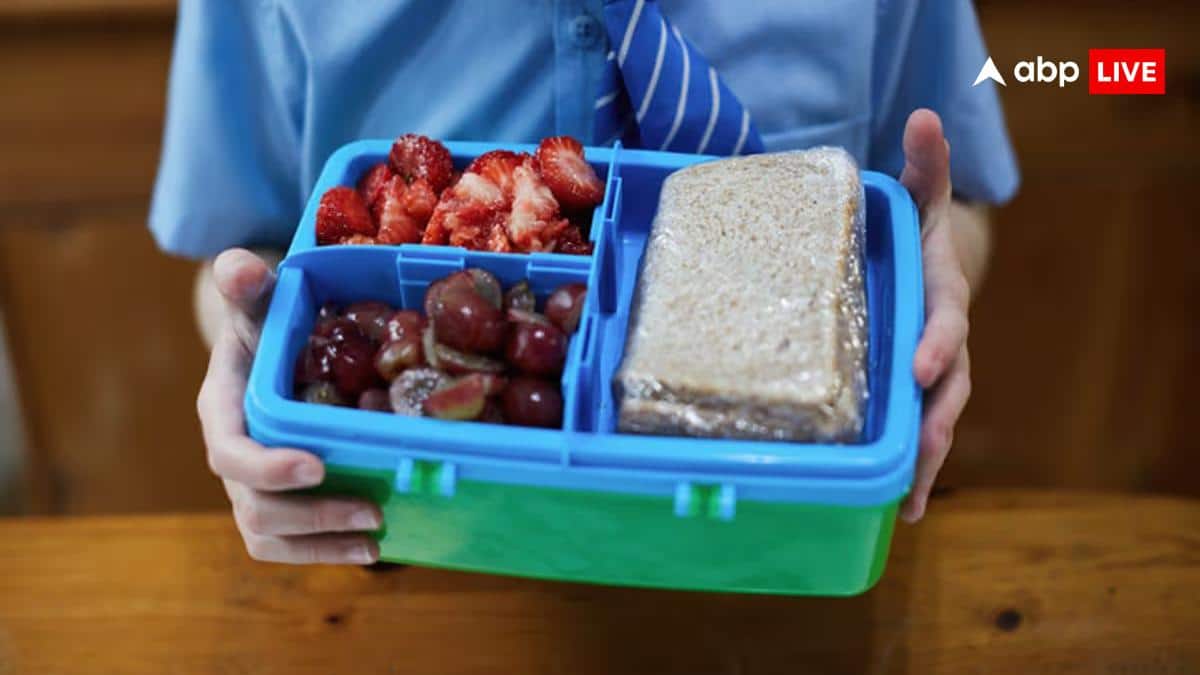
- Eggs and meat-fish: Undercooked or raw meat, chicken, egg, fish. If the meat in biryani is not cooked properly or if it is kept at normal temperature for a long time after cooking, then the risk increases.
- Leftover Food: Cooked food that has not been kept in the refrigerator and has been kept out for a long time.
- canned food: Broken or swollen cans, as these may pose a risk of botulism.
Question 6: What to do immediately if symptoms of food poisoning appear and when to go to the doctor?
answer: According to the National Institute of Health report, symptoms of food poisoning usually begin within a few hours to a few days of eating contaminated food, such as nausea, vomiting, diarrhea, severe stomach pain, fever and weakness. If this happens, do the following immediately at home:
- The most important thing is to avoid dehydration, so keep drinking small amounts of water frequently.
- On the advice of the doctor, take ORS to replenish water and minerals in the body. Keep taking liquids like water, coconut water or buttermilk.
- Rest and eat only light, simple food. Do not eat spicy and fried food at all.
But if these danger signs appear, immediately go to the doctor or take you to the hospital:
- Repeated vomiting and not being able to retain anything in the stomach.
- Bloody vomiting or diarrhea.
- Having high fever that does not subside.
- Very little or no urination and the color of urine being dark yellow.
- Dryness of mouth and tongue, feeling distressed due to thirst.
- Extreme weakness, dizziness or feeling faint when standing.
- No tears while crying in children.
- Unbearable and cramping severe pain in the stomach.
- Blurred vision, muscle weakness, or tingling sensation in the body.
In case of food poisoning in children below 5 years, elderly people, pregnant women or a person who is already ill, be careful from the beginning and seek medical advice without any delay.
Check out below Health Tools-
Calculate Your Body Mass Index (BMI)
Calculate The Age Through Age Calculator