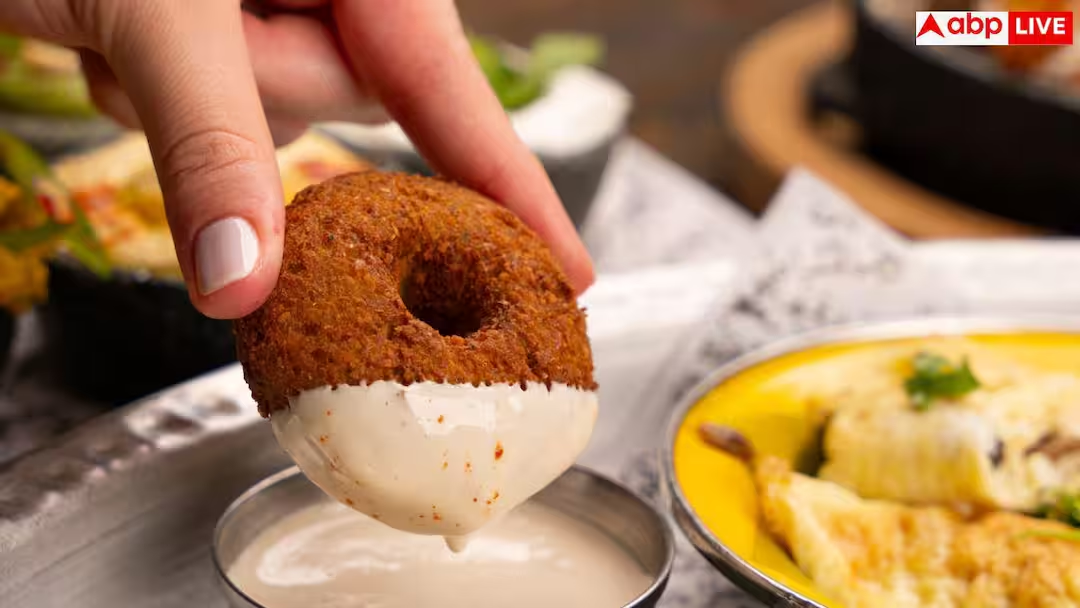
Soft And Fluffy Medu Wada Recipe Tips: Medu Vada, the famous snack of South India, is now liked all over the country. Served with coconut chutney and sambar, this dish is golden and crisp on the outside, while extremely soft on the inside. However, while making medu vada at home, many people complain that the vada either becomes hard or absorbs too much oil while frying. If you also want to make perfect Medu Vada like the restaurant, then it is important to keep some simple things in mind.
Soak the lentils in water for 2 to 3 hours
To make Medu Vada, first soak whole urad dal in water for 2 to 3 hours. After this, drain the water from the lentils completely and grind a thick batter by adding very little water. The thicker and smoother the batter, the better the vada will take shape and will not spread while frying.
Read this also-Explained: One basil insulin and complete week off from diabetes! Know when, where and how will you get 40% cheaper medicine?
Beat well for 5 to 8 minutes
Do not use the batter immediately after it is ready. First, beat well with the help of a wooden spoon, whisk or hands for 5 to 8 minutes. This process fills the batter with air, which makes the medu vada crispy from outside and light and spongy from inside. To check whether the batter is prepared properly or not, put a small portion of it in a vessel filled with water. If the batter starts floating on the surface of water, then understand that it is ready to fry.
Now add finely chopped onion, green chilli, ginger, curry leaves, asafoetida and salt as per taste in the batter. If you wish, you can also add finely chopped carrots and green coriander. If you are making Medu Vada for any puja or prasad, then it would be better to add crushed black pepper and cumin instead of onion.
What to keep in mind while making vada?
While making the shape of vada, keep your hands or spoon slightly wet. This will prevent the batter from sticking and it will also be easy to make a hole in the middle. Heat the oil well first, but always fry the vada on medium flame. On high flame, the vada will brown quickly from outside and may remain raw from inside, whereas on very low flame, it will absorb more oil. While frying, keep turning the vada occasionally, so that it becomes equally golden and crisp from all sides. If the batter accidentally becomes thin, it can be thickened by adding a little rice flour, semolina or maida to it. A pinch of baking soda can also be added to get extra crispiness. If the vada is absorbing too much oil, then adding a little flour can reduce this problem.
Read this also – Bhature doesn’t rise no matter how hard you try? If you make it with this trick, you will become ‘Bhatura Master’.