The bird that ‘clean bowled’ the batsman died on the pitch, umpire trapped
Last Updated:
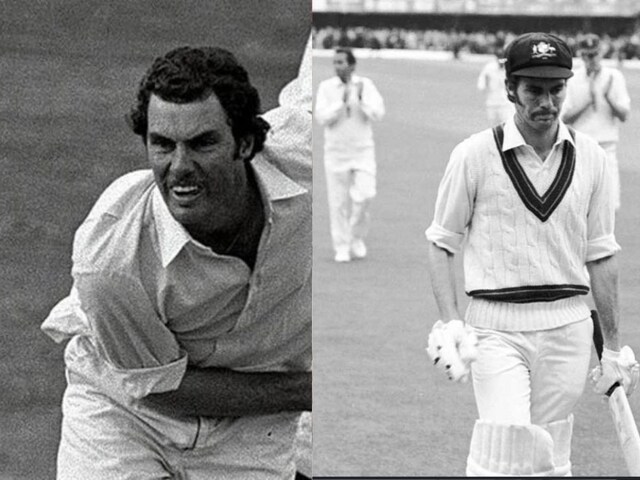
Something similar happened during a Sheffield Shield match in 1969, which drew a unique line between the rules of cricket and human sensibilities. This is the story of great Australian cricketer Greg Chappell, batsman John Inverarity and an unfortunate ‘Swallow’ bird.
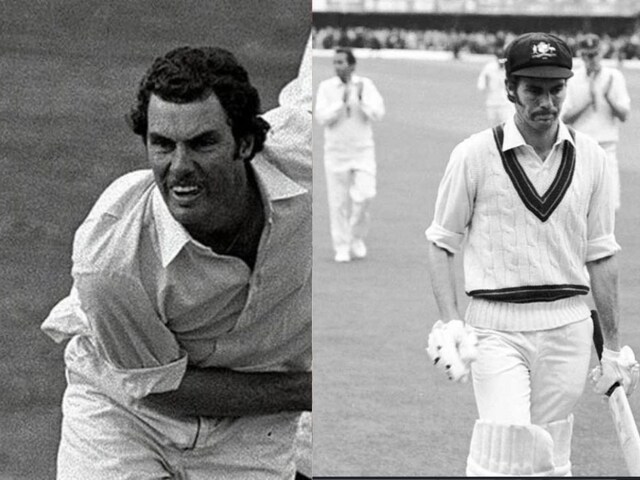

In 1969, a bird died on Greg Chappell’s ball at Adelaide ground, umpire got trapped.
New Delhi. Cricket is often called a ‘game of uncertainties’, where one ball can change the entire match. But have you ever heard that a flying bird could have changed the luck of a batsman? Something similar happened during a Sheffield Shield match in 1969, which drew a unique line between the rules of cricket and human sensibilities. This is the story of great Australian cricketer Greg Chappell, batsman John Inverarity and an unfortunate ‘Swallow’ bird.
A fatal delivery and a mishap
In the year 1969, the Sheffield Shield match was going on between South Australia and Western Australia. Greg Chappell was bowling and John Inverarity was at the crease. Chappell bowled an accurate ball which was about to hit the stumps. Inverness were completely beaten and the ball was penetrating their defense and moving towards the wickets. Just then, suddenly a small swallow bird appeared in mid-air between the ball and the batsman. The ball hit the bird directly. The impact was so strong that the little bird immediately collapsed and fell on the pitch. The most surprising thing was that despite hitting the bird, the ball did not deviate from its direction and went straight and the bails on the stumps fell, and technically the batsman was bowled.
Umpires’ decision and spirit of the game
There was silence on the field. Legally speaking, Chappell had dismissed the batsman, but could it be considered a ‘legitimate’ wicket? A dilemma arose before the umpires. There are rules for every small and big situation in the manual of cricket, but there was no clear section on interference by a bird. The umpires had a long discussion among themselves and ultimately kept the spirit of the game above. He declared that ball ‘dead ball’. The argument was that the bird’s interference was an external obstacle that disrupted the normal course of the game. John Inverarity, who had almost moved towards the pavilion, was called back.
The disadvantage of chapel and the advantage of inverarity
That day, luck was kind to Inverarity. After being given life, he batted brilliantly and played an inning of 89 runs. On the other hand, Greg Chappell did not get the wicket he deserved. It has been recorded in the pages of history that a batsman was ‘outed by a bird’, but he still remained ‘not out’.
cricket beyond the rules
This incident reminds us that sport is not just a bunch of statistics and rules. Sometimes nature itself comes to play the role of a player in the match. That unfortunate bird did not survive, but his ‘untimely’ flight gave one of the most memorable and strange stories in the history of cricket. Even today, when the rules of ‘dead ball’ are discussed in cricket, that scene of 1969 and that unlucky ball of Greg Chappell is definitely remembered.
About the Author

I, Rajeev Mishra, am currently working as Associate Sports Editor at Network 18. In this role, I am responsible for digital sports content planning, editorial strategy and anchoring. Sports magazine…read more