Last Updated:
Between 1981 and 1984, the Indian team played 31 Tests, out of which it lost 9 and drew 22 Test matches. This was the period when Pakistan team defeated the Indian team in many series in one-sided matches. West Indies, which visited India immediately after winning the 1983 World Cup, also left no stone unturned.
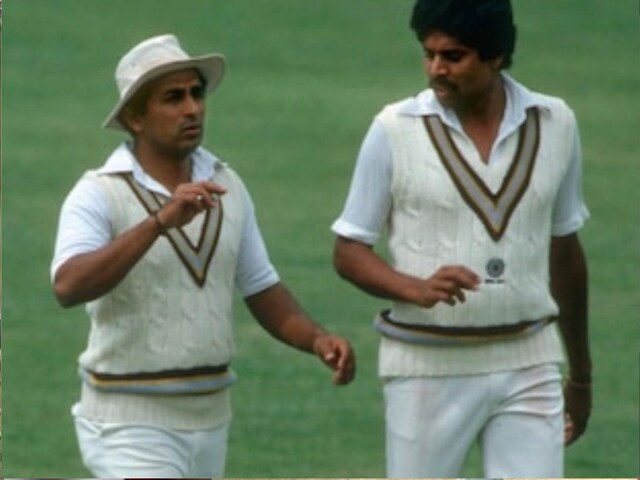

The Indian team could not win a single match in the 31 Tests played between 1981-1984.
New Delhi. The early 1980s was such a paradox in the history of Indian cricket that it is still called a ‘dark chapter’. On one hand, India had established its dominance in the limited overs game by winning the World Cup in 1983, while on the other hand, Team India was struggling with a drought in Test cricket, which tested the patience of Indian fans. The period between 1981 and 1984, when the Indian team did not register a single win in 31 consecutive Test matches, provides the greatest testimony to the team’s helplessness on the cricket field.
This was the time when West Indies ruled the world of cricket and the batsmen were helpless in front of their bowlers. Between 1981 and 1984, the Indian team lost 9 Tests and drew 22 Test matches. This was the period when Pakistan team defeated the Indian team in many series in one-sided matches. West Indies, which visited India immediately after winning the 1983 World Cup, also left no stone unturned.
Captaincy whirlpool: failure of Gavaskar and Kapil
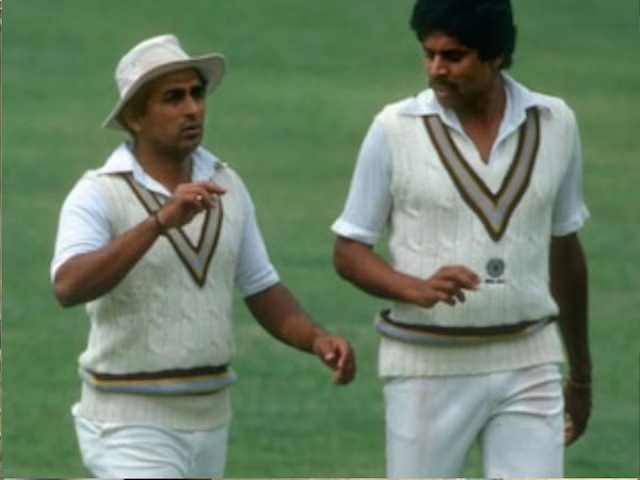
In this long span of three years, the two biggest legends of Indian cricket, Sunil Gavaskar and Kapil Dev, took command of the team one by one, but the result remained the same. If we look at the statistics, Sunil Gavaskar captained in 17 test matches and Kapil Dev captained in 14 test matches. The surprising thing is that both the legends failed to lead the team to even a single victory with their strategy and leadership. Under the captaincy of Gavaskar, the team was seen adopting a defensive stance, while Kapil’s aggression also could not be translated into results. This was the period when Indian players were seen scattered on the field and the opposition teams could easily push India towards a draw or defeat.
The collapse of batting and that shameful score of 90 runs.
During this dark chapter, the depth of Indian batting had also given an answer. In the long journey of 31 Test matches, the Indian team could cross the 500-run mark only twice. This figure explains the struggling state of Indian batting of that era. The batsmen neither seemed to have the courage to survive nor the hunger to score big scores. The most shameful scene of this collapse was seen in the historic Eden Gardens of Kolkata. Indian batting collapsed like a house of cards in front of the deadly fast bowlers of West Indies and the entire team was reduced to just 90 runs. This performance of Team India in front of the spectators on the home ground became a symbol of the declining level of Indian cricket.
tales of struggle
This was not only a period of defeat, but also of forgetting the basic principles of cricket. Indian players looked helpless in front of the ‘pace battery’ of West Indies and the technical proficiency of England. The opposition teams knew that India lacked wicket-taking bowlers and the batsmen quickly succumbed under pressure.
This 31-match winless streak ended in late 1984, but it deeply hurt the credibility of Indian Test cricket. Today, when we see the Indian team winning in every corner of the world, this ‘dark chapter’ of 1981-84 reminds us how bitterly Indian cricket has tasted failure before reaching the pinnacle of success. These three years were no less than a nightmare for Indian cricket lovers, where the tag of World Champion was there, but the team had lost its identity in the white Test jersey.