Why does the women’s team lose in T-20 format, if there are shots then do not be afraid to play
Last Updated:
The biggest difference in the approach of Australia and India was the fear of failure. Australia played without any fear, while India seemed to be struggling with the fear of defeat. This was the reason why Australia appeared aggressive and India defensive.
The biggest difference in the approach of Australia and India was the fear of failure
New Delhi. As emotions subside after India’s defeat and we accept the reality of being out of yet another T20 World Cup, it is important that we maintain our composure and be patient. No one is hurting more from this defeat than the players, so it is important to be empathetic, but it is equally important to ask tough questions. There is no need to overreact, but this is the right time to introspect what went wrong and why does this happen again and again in the T20 format with the women’s team?
The biggest difference in the approach of Australia and India was the fear of failure. Australia played without any fear, while India seemed to be struggling with the fear of defeat. This was the reason why Australia appeared aggressive and India defensive. Do Smriti Mandhana and Jemimah Rodrigues have shots? Of course they are. We have seen them playing freely many times but Smriti trying to establish herself and both the batsmen avoiding attack in the beginning shows that they were trying to avoid failure. Perhaps this effort to avoid failure in this match turned into excessive caution.
Team cannot win due to fear of defeat
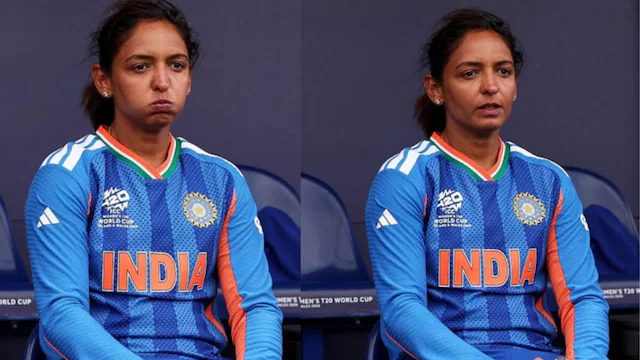
It was a 180-190 run pitch, but after the powerplay, India could not take the lead even without losing wickets. This was a ‘safety-first’ approach, which backfired. This is where questions should be asked of the team and coaching staff. Why was the decision not taken to retire Jemima and send Richa Ghosh in the 17th over? Barring Harmanpreet Kaur, who batted aggressively in the last two overs to take India to a respectable score, all the other batsmen looked cautious. Can Jemimah play aggressively? Of course, but here she was seen trying to avoid getting out, which ultimately proved to be harmful for the team. Is this attitude a result of the immense pressure that always surrounds the Indian team? Now is the time to step back and understand what went wrong and, more importantly, how India can improve. England 2026 is now history, India cannot reach the semi-finals due to criticism. What is needed is a new thinking—a clear roadmap for the T20 format, which will decide the team’s strategy for the next two years.
The way of playing in T-20 will have to be changed
India has no shortage of resources, the Women’s Premier League has become strong, there is no reason why this team cannot win the global T20 title, yet, it has not happened so far, which is why it is important to face the root problem – the fear of failure. If Indian players overcome this mental hurdle, then no one can stop them from success. Australia played freely and won. Both Australia and South Africa gave their all against India. India could not do this. The ‘safety-first’ strategy rarely succeeds in T20 cricket. Perhaps it is time for a fresh start, possibly with new leadership. Is Smriti the right captain? Has he proven himself in big matches? Has now come the time for new experiments and the beginning of a new chapter? Remember 2007, remember Mahendra Singh Dhoni, this defeat is now history but the future is still in India’s hands.
About the Author

I, Rajeev Mishra, am currently working as Associate Sports Editor at Network 18. In this role, I am responsible for digital sports content planning, editorial strategy and anchoring. Sports magazine…read more