दुनिया भर की अधिकांश फिल्मों में रेन ने अनूठी भूमिका निभाई है। हालाँकि यह ज्यादातर कथा के हिस्से के रूप में दिखाई देता है, कई फिल्म निर्माताओं ने इसे कहानी कहने के उपकरण के रूप में उपयोग किया है जो पात्रों और घटनाओं को प्रभावित करता है।‘सिंगिन’ इन द रेन’ और ‘सेवन समुराई’ जैसी फिल्मों में, बारिश ने मुख्य दृश्यों में गहराई जोड़ दी और कथा अनुभव का एक महत्वपूर्ण हिस्सा बन गई।दक्षिण भारतीय सिनेमा में विशेषकर बारिश अक्सर अपने प्राकृतिक रूप से परे अर्थ ले जाती है।
‘वैशाली’
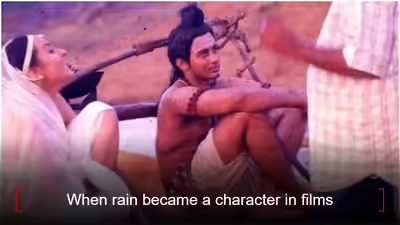
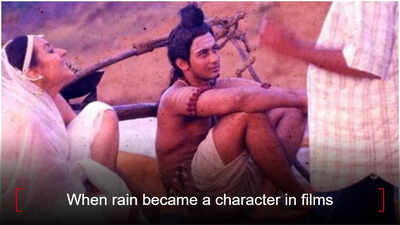
सबसे अच्छे उदाहरणों में से एक है वैशाली, भरत द्वारा निर्देशित और एमटी वासुदेवन नायर द्वारा लिखित। सूखाग्रस्त अंगा साम्राज्य पर आधारित यह फिल्म भूमि पर बारिश वापस लाने के एक हताश प्रयास के इर्द-गिर्द घूमती है।राज्य का भविष्य ऋष्यश्रृंग के आगमन पर निर्भर करता है जो एक ऋषि हैं। ऐसा माना जाता है कि उनके पास विनाशकारी सूखे को ख़त्म करने की शक्ति है। वैशाली को उसे राज्य में लाने का काम सौंपा गया है।पूरी फिल्म में बारिश की अनुपस्थिति पीड़ा और असहायता का प्रतीक है। लोग राहत का इंतजार कर रहे हैं. जमीन बंजर रहती है. जब आख़िरकार बारिश आती है, तो यह राज्य का भाग्य बदल देती है। ‘डम डम डम दुंदुभिनादम’ गाना मॉलीवुड में बारिश में फिल्माए गए सबसे बेहतरीन डांस सीक्वेंस में से एक है।महाभारत की एक कहानी पर आधारित, यह फिल्म मलयालम सिनेमा के सबसे प्रसिद्ध पौराणिक नाटकों में से एक है।
‘पेरुमाझाकलम’
कमल का ‘पेरुमाझाकलम’ बारिश को एक अलग तरीके से प्रस्तुत करता है। मानसून पात्रों के भावनात्मक संघर्ष को दर्शाता है।कहानी रजिया और गंगा की है। दोनों पात्र दुःख, अपराधबोध, क्षमा और कठिन विकल्पों का सामना करते हैं। जैसा कि शीर्षक में ही संकेत दिया गया है, लगातार बारिश उस दर्द का एक दृश्य प्रतिनिधित्व बन जाती है जो पात्रों द्वारा सहा जाता है।इमोशनल ड्रामा में मीरा जैस्मिन, काव्या माधवन, दिलीप, विनीत और बीजू मेनन मुख्य भूमिका में हैं। फिल्म को अपनी संवेदनशील कहानी और अभिनय के लिए आलोचकों और दर्शकों से प्रशंसा मिली।
‘अलाईपायुथे’ और ‘मौना रागम’
मणिरत्नम ने अक्सर बारिश को एक प्रभावशाली सिनेमाई उपकरण के रूप में इस्तेमाल किया है।‘अलाईपायुथे’ में वर्षा का युवा प्रेम की भावनाओं से गहरा संबंध है। कहानी एक जोड़े के बारे में है. वे प्यार से शादी तक जाते हैं और साथ मिलकर जीवन की चुनौतियों का सामना करते हैं। कई महत्वपूर्ण क्षणों में वर्षा होती है। भावनात्मक नाटक में आर माधवन, शालिनी, विवेक, जयसुधा और स्वर्णमाल्य प्रमुख भूमिकाओं में हैं।मणिरत्नम की अन्य क्लासिक ‘मौना रागम’ उन भावनाओं को व्यक्त करने के लिए बारिश का उपयोग करती है जो अव्यक्त रह गई हैं। फिल्म की कहानी दिव्या के बारे में है। उसे अपने अतीत और वर्तमान जीवन में संतुलन बनाना कठिन लगता है। फिल्म में रेवती, मोहन, कार्तिक और अन्य मुख्य भूमिका में हैं।