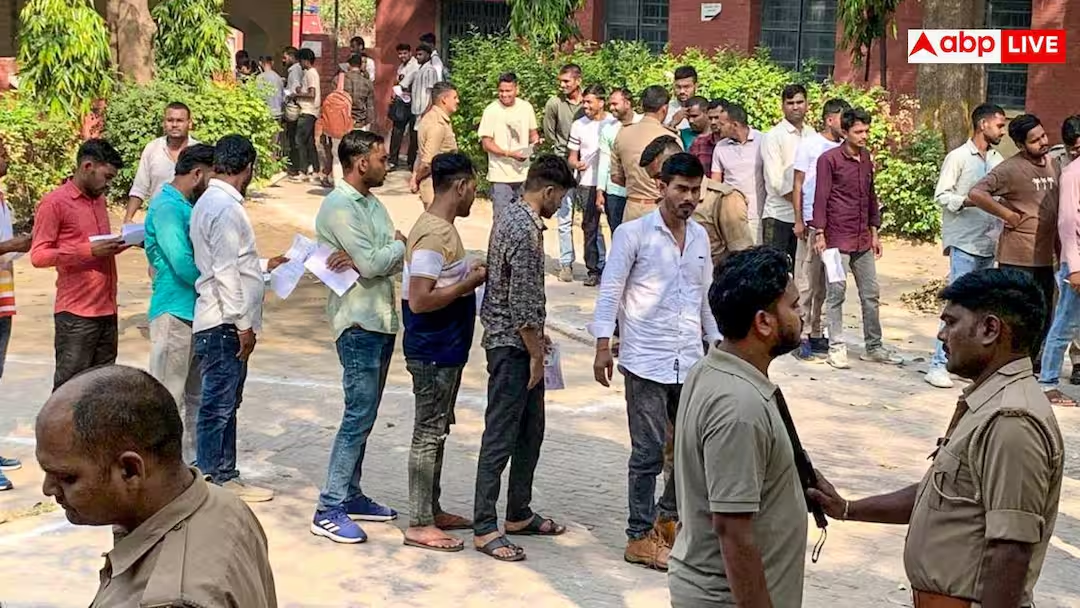
The heat in India has made us miserable in the month of April itself. Tourists have disappeared from Udaipur in Rajasthan and the roads are deserted. School timings changed due to heat wave alert in 26 districts of Uttar Pradesh. The temperature went above 40 degrees Celsius in 9 districts of Bihar. There is a heat wave alert everywhere including Chhattisgarh, Haryana, Punjab, Jharkhand and Himachal Pradesh. For the first time in Madhya Pradesh, an ultimatum of heat wave has been given at night. But heat wave occurs in sunlight, then what is the matter of heat wave at night? You will know in the explainer…
Question 1: How terrible is the summer situation in India right now?
answer: In many areas of the country, the heat has broken records in the last week of April 2026. In many places in states like Rajasthan, Madhya Pradesh, Uttar Pradesh, Maharashtra, Chhattisgarh, Odisha and Bihar, the temperature has crossed 40 to 44 degrees Celsius. The mercury has risen to 44.4 degrees in Prayagraj, 43.8 degrees in Bilaspur, Chhattisgarh and 42-43 degrees at many places. The Meteorological Department has issued a heat wave alert in these states. The most important thing is that for the first time on Tuesday, an alert of ‘night heat’ i.e. hot night was issued in Madhya Pradesh.
This alert is in 16 districts of Madhya Pradesh including Bhopal, Chhindwara, Mandla, Narmadapuram, Gwalior, Ratlam and Chhatarpur. Earlier, on Sunday-Tuesday nights, the night temperature in these areas was much higher than normal, due to which people did not get relief even after the heat of the day. In Maharashtra and Odisha, signals were switched off during the day, so that people do not have to stand in the sun at intersections.
Question 2: Heat wave always occurs in the daytime sunlight and hot air, then what is the heat wave like at night?
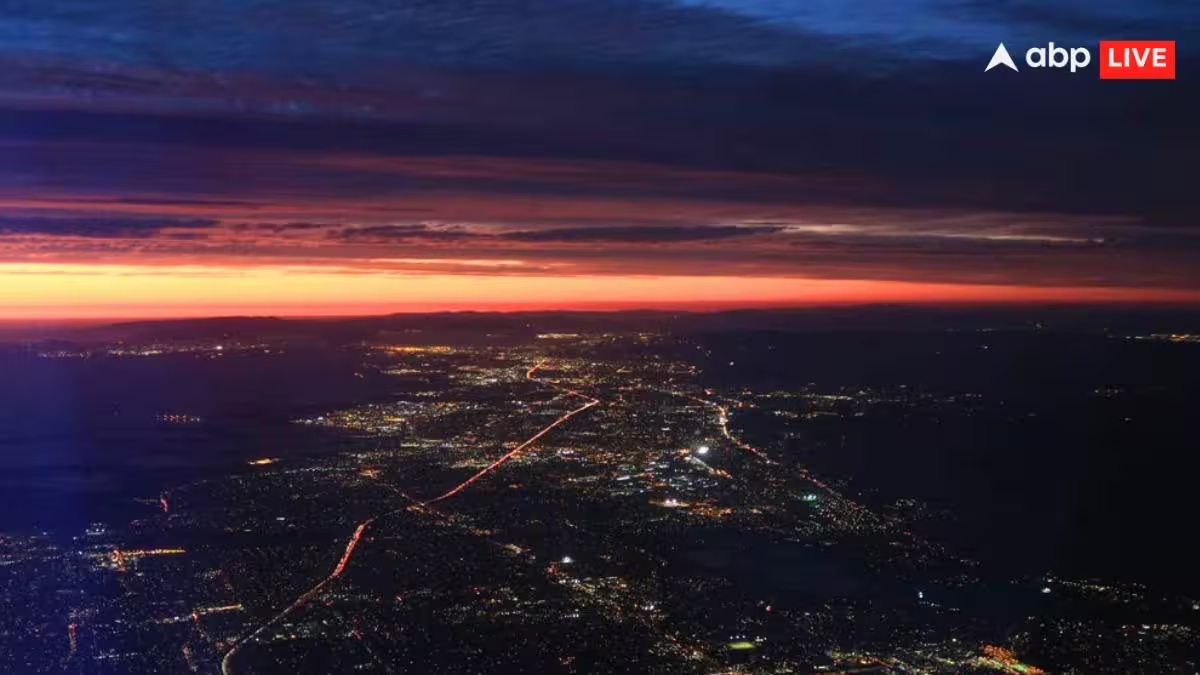
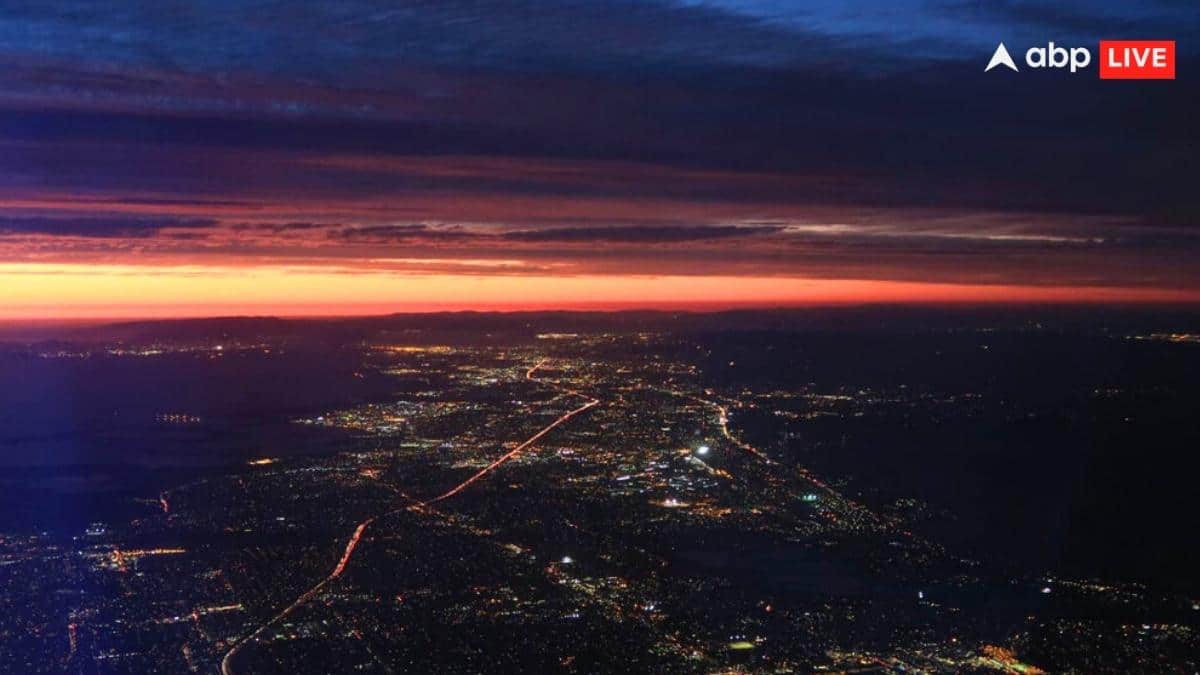
answer: Normal heat wave occurs during the day. It is bright sunshine and hot, dry air that reaches 40 degrees or above in the afternoon, but ‘night heat’ or ‘hot night’ is completely different. It does not flow like the wind, but the temperature at night remains so high that even after the sun sets, the walls, ground and air do not cool down.
According to the rules of the Meteorological Department, when the day temperature is 40 degrees or more and the minimum temperature at night is 4.5 to 6.4 degrees more than normal, then it is called ‘hot night’. If it is more than 6.4 degrees then ‘very hot night’. This is what is happening in Madhya Pradesh. The heat persists even at night, there is no coolness.
Question 3: What is the effect of night heat on the body as compared to day?
answer: Yes, the heat at night causes more harm secretly than the heat of the day. The body gets hot during the day, but if the temperature does not drop at night, the body does not get a chance to cool down. The system that controls body temperature gets tired. This increases pressure on the heart, kidneys and brain. People are unable to sleep due to restlessness, sweat more and feel tired as soon as they wake up in the morning.
In severe cases, symptoms of dizziness, vomiting, unconsciousness and heat stroke may appear. According to the Meteorological Department and doctors, sleep is not complete during hot nights, due to which the body becomes weak the next day. Especially the elderly, children, pregnant women and already ill people are more affected.

Question 4: Is night heat considered more dangerous than day heat? If yes then why?
answer: The heat is intense during the day, but there is relief at night. The body gets time to recover due to coolness at night, but this recovery does not happen when the night is also hot. Heat stress continues to increase. Many research studies have been done on this, according to which due to climate change the nights are getting warmer faster than the days. Due to high humidity in the air, the heat of the day gets trapped at night. Concrete and buildings in cities absorb heat during the day and release it at night.
outcome? The risk of death increases if there is continuous heat for several days. According to another study, if the heat at night increases, deaths due to heat may increase six times by the end of the century. The heat at night also takes away sleep. On average, every person is sleeping 44 hours less in a year.
Question 5: How long will you have to struggle with night heat and what to do to avoid it?
answer: In case of night heat, symptoms like excessive thirst, fatigue, headache, dizziness, vomiting, increased body temperature, confusion or unconsciousness may be seen. If you sweat excessively at night, cannot sleep or feel weak in the morning, then be careful:
- Drink more water even at night.
- Wear light, loose clothes.
- Run a fan or cooler in the room, keep the windows open.
- Do not go out between 12 noon to 4 pm.
- Keep a special eye on the elderly and children.
- Beds are being reserved in hospitals. In many states, school timings have been changed and workers are not being allowed to work in the afternoon.
According to the Meteorological Department, heat will persist in North and Central India for the next 4-5 days. Alert of heat wave and hot nights continues in Madhya Pradesh, Uttar Pradesh, Rajasthan and Odisha. Due to climate change, such weather has become more common than before. If it does not rain, the situation may worsen. Governments and meteorological departments are continuously monitoring. People are being advised not to take the heat lightly, it can silently kill.
Night heat is not a wind, but non-stop heat throughout the night which does not give the body a chance to cool down. Unlike daytime heat, it continuously increases fatigue and proves to be more dangerous in the long run. This alert was issued for the first time in Madhya Pradesh because the night temperature is much higher than normal.
Check out below Health Tools-
Calculate Your Body Mass Index (BMI)
Calculate The Age Through Age Calculator